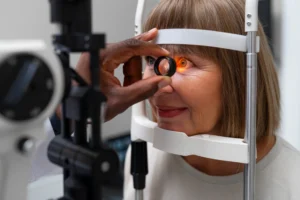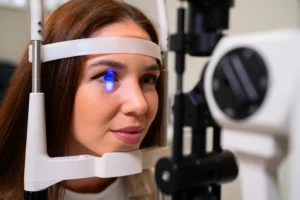
Cataracts are one of the most common reasons people notice their vision turning cloudy or dim as they get older, but the good news is that modern ophthalmology offers several reliable solutions. If your eye doctor has recommended a procedure, you are probably asking yourself what is cataract surgery and which approach fits your eyes best. Understanding the different types of cataract surgery available today can help you walk into the operating room with confidence instead of confusion.
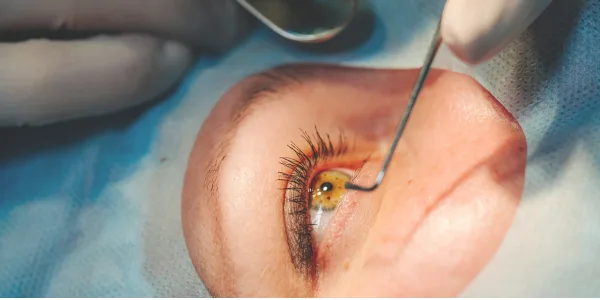
At AG Vision & CoDE Center, Dr. Arushi Garg and her team guide patients through this exact decision every week, breaking down each method in plain language. In this guide, we will cover what cataract surgery involves, the main types of cataract surgery performed today, their benefits, and what to expect during cataract surgery recovery time, so you have everything you need before your appointment.
What Is Cataract Surgery? A Quick Overview
A cataract develops when the natural lens inside your eye becomes cloudy, causing blurred vision, glare, and difficulty seeing at night. Cataract surgery is a procedure in which the surgeon removes this clouded lens and replaces it with a clear, artificial intraocular lens (IOL). It is one of the most frequently performed and safest surgeries in modern medicine, usually completed in under 30 minutes on an outpatient basis.
Many patients are surprised to learn that cataract eye surgery rarely requires general anesthesia. Most procedures use numbing eye drops or a local anesthetic, allowing patients to go home the very same day. The exact technique used, however, depends on the type and severity of the cataract, which is where the different surgical approaches come into the picture.
What Are the 3 Types of Cataract Surgery? Breaking Down the Basics
If you have searched online for what are the 3 types of cataract surgery, you are not alone, since this is one of the most common questions patients ask before their consultation. Broadly, eye surgeons categorize the types of cataract surgery into three main groups based on how the cloudy lens is removed:
- Phacoemulsification (Phaco) – the modern, ultrasound-based technique used in the vast majority of cases
- Extracapsular Cataract Extraction (ECCE), including Manual Small Incision Cataract Surgery (SICS) – used for harder or more advanced cataracts
- Femtosecond Laser-Assisted Cataract Surgery (FLACS) – a precision, laser-guided variation of modern cataract removal
A fourth and far less common method, Intracapsular Cataract Extraction (ICCE), is occasionally used in rare, complex cases such as severe lens dislocation, but it is largely considered outdated and is performed only in specific circumstances today.
Phacoemulsification: The Gold Standard Among Types of Cataract Surgery
Phacoemulsification is the most widely used of all the types of cataract surgery, and for good reason. The surgeon makes a tiny 2 to 3 millimeter incision in the cornea, then uses gentle ultrasound energy to break the cloudy lens into small fragments. These fragments are gently suctioned out, and a foldable artificial lens is inserted through the same small opening.
Because the incision is so small, this approach is also called small-incision cataract surgery. It typically takes about 15 to 20 minutes, requires no stitches, and offers one of the fastest healing timelines among all cataract surgery options. You can learn more about how this procedure is performed at AG Vision & CoDE Center on our cataract treatment page.
Extracapsular Cataract Extraction (ECCE): For Advanced Cataracts
When a cataract has become too dense, hard, or advanced for ultrasound-based removal, surgeons often turn to Extracapsular Cataract Extraction, commonly known as ECCE. This technique involves a larger incision, usually between 6 and 12 millimeters, through which the cloudy lens is removed in one piece while the back portion of the lens capsule is left intact to support the new IOL.
ECCE, along with its manual small-incision variant (SICS), remains an effective and dependable option, particularly in cases where phacoemulsification is not suitable. Because the incision is larger, this method generally needs sutures and a longer healing period than the more modern alternatives.
Laser-Assisted Cataract Surgery (FLACS): Precision Meets Technology
Femtosecond Laser-Assisted Cataract Surgery (FLACS) uses a computer-guided laser to perform some of the most delicate steps of the procedure, including the corneal incision and the opening of the lens capsule, with a level of precision that is difficult to match by hand alone. The cataract is then softened and removed using gentle suction, similar to phacoemulsification.
This is often a preferred choice among the types of cataract surgery for patients who are also opting for premium intraocular lenses, such as toric lenses for astigmatism or multifocal lenses to reduce dependence on glasses, since the laser allows for highly accurate lens positioning.
Comparing the Types of Cataract Surgery at a Glance
Here is a simple side-by-side comparison to help you understand how these procedures differ:
| Type of Surgery | Incision Size | Best Suited For | Average Recovery Time |
| Phacoemulsification (Phaco) | 2–3 mm (tiny, sutureless) | Most age-related cataracts | A few days to 1–2 weeks |
| Extracapsular Cataract Extraction (ECCE/SICS) | 6–12 mm (larger, may need stitches) | Dense, hard, or advanced cataracts | 4–6 weeks |
| Femtosecond Laser-Assisted Cataract Surgery (FLACS) | Laser-created, ultra-precise micro incision | Patients wanting premium IOLs or astigmatism correction | A few days to 1–2 weeks |
Note: Actual recovery and surgery details vary from patient to patient. Your ophthalmologist will recommend the most suitable option after a thorough eye examination.
How Do Doctors Decide Which Type of Cataract Surgery Suits You?
Choosing among the types of cataract surgery is never a one-size-fits-all decision. Ophthalmologists typically evaluate the density and maturity of the cataract, the overall health of your cornea and retina, any pre-existing conditions such as glaucoma or diabetic retinopathy, and your personal vision goals, such as reducing dependence on glasses.
At AG Vision & CoDE Center, Dr. Arushi Garg begins every consultation with detailed pre-operative testing so that the recommended approach genuinely matches your eye’s specific needs rather than following a generic protocol.
Benefits of Choosing the Right Type of Cataract Surgery
Regardless of which technique is used, modern cataract surgery offers significant, life-changing benefits when the right approach is matched to the right patient:
- Clearer, sharper vision and improved color perception within days
- Reduced dependence on glasses, especially with premium IOL options
- Minimal discomfort and short hospital stay for most procedures
- Lower risk of complications when performed by an experienced surgical team
- Long-term, stable results, since intraocular lenses do not develop new cataracts
Cataract Surgery Recovery Time: What to Expect
Cataract surgery recovery time depends largely on which technique was used. Patients who undergo phacoemulsification or laser-assisted surgery often notice clearer vision within a day or two, with most daily activities resuming within one to two weeks. Mild grittiness, light sensitivity, or minor blurriness in the first few days is normal and expected.
Patients who undergo ECCE, on the other hand, generally need a longer healing window of four to six weeks because of the larger incision and any sutures involved. Full visual stabilization in these cases can take a little longer, and your surgeon may schedule additional follow-up visits to monitor healing.
In nearly all cases, your doctor will prescribe antibiotic and anti-inflammatory eye drops to prevent infection and reduce swelling, along with a protective eye shield for the first few nights of sleep.
Tips for a Smooth Recovery After Cataract Eye Surgery
A little care after your cataract eye surgery goes a long way in protecting your results:
- Use prescribed eye drops exactly as directed, even if your vision feels fine
- Avoid rubbing or pressing on the operated eye
- Skip swimming, dusty environments, and strenuous exercise for the first few weeks
- Wear the protective shield while sleeping until your doctor advises otherwise
- Attend every follow-up appointment so your surgeon can track healing progress
- Wear sunglasses outdoors, since your eyes may be more sensitive to light
Why Choose AG Vision & CoDE Center for Your Cataract Surgery
AG Vision & CoDE Center combines advanced surgical technology with personalized, patient-first care. Led by Dr. Arushi Garg, an experienced ophthalmologist known for her precise surgical technique and clear communication, the clinic offers all major types of cataract surgery under one roof, from standard phacoemulsification to advanced laser-assisted procedures.
Every treatment plan at AG Vision & CoDE Center begins with a comprehensive eye evaluation, transparent counselling about the available options, and honest guidance on which lens and technique best fit your lifestyle and budget. You can explore the full range of services on our cataract treatment page, or schedule a consultation with our team to discuss the best path forward for your vision.
Frequently Asked Questions About Types of Cataract Surgery
1. What is cataract surgery?
Cataract surgery is a procedure that removes the eye’s cloudy natural lens and replaces it with a clear artificial intraocular lens to restore sharp vision.
2. What are the 3 types of cataract surgery?
The three main types of cataract surgery are phacoemulsification, extracapsular cataract extraction (ECCE/SICS), and femtosecond laser-assisted cataract surgery (FLACS). A fourth, older technique called ICCE is reserved for rare, specific cases.
3. Which type of cataract surgery is considered the best option?
Phacoemulsification is the most commonly recommended option for the majority of age-related cataracts because of its small incision and fast healing. However, the best choice always depends on your individual eye condition, which your surgeon will assess.
4. What is the typical cataract surgery recovery time?
Most patients recover from phacoemulsification or laser-assisted surgery within one to two weeks, while ECCE may take four to six weeks due to its larger incision.
5. Is cataract eye surgery painful?
No. Most cataract eye surgery is performed with numbing drops or local anesthesia, and patients typically feel only mild pressure rather than pain.
6. How long does the actual procedure take?
Phacoemulsification and laser-assisted surgery usually take 15 to 30 minutes per eye, while ECCE may take slightly longer due to the larger incision and suturing.
Final Thoughts
Understanding the different types of cataract surgery makes it far easier to approach your procedure with clarity instead of anxiety. Whether your ophthalmologist recommends phacoemulsification, ECCE, or laser-assisted surgery, each approach is designed to give you back clear, comfortable vision. With experienced guidance from AG Vision & CoDE Center and Dr. Arushi Garg, you can choose the option that best matches your eyes, your lifestyle, and your recovery timeline with full confidence.