Dr. Arushi Garg – Ophthalmologist & Eye Care Specialist

Best Cornea Transplant Surgery in Noida
AG Vision performs cornea transplant surgery in Noida for patients whose vision has been affected by scarring, thinning, or corneal disease that other treatments can no longer manage. If a cornea specialist has already discussed transplantation with you, this page walks through what the procedure actually involves.
Cornea transplant surgery requires a level of precision that comes only with sustained surgical experience. Dr. Arushi Garg brings 15+ years of ophthalmic surgical practice and a track record across 32,000+ eyes treated, including complex corneal cases that needed more than standard treatment.
Many patients arrive at this stage after months or years of trying glasses, contact lenses, or medicated treatment without lasting improvement, and understandably want a clear picture of what cornea transplant in Noida actually involves before agreeing to proceed.
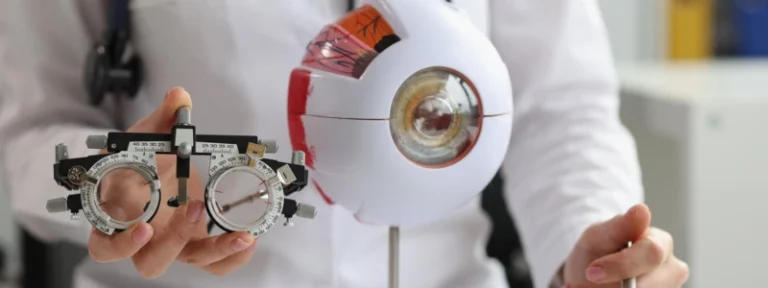
When Cornea Transplant Surgery Becomes Necessary
A healthy, clear cornea is essential for sharp vision, but scarring, advanced thinning, or a failed previous surgery can make a cornea transplant the only path back to usable vision.
- Vision loss from corneal scarring that glasses or lenses can’t correct
- Corneal swelling or clouding that hasn’t responded to other treatment
- Advanced keratoconus or thinning where the cornea’s shape can’t be stabilised otherwise
At AG Vision, cornea transplant surgery is recommended only after confirming that less invasive treatment options genuinely won’t restore adequate vision.
Cornea Transplant Surgery: The Treatment Approach
Matching the Transplant Type to the Damage
Cornea transplant surgery isn’t a single standard procedure — the technique depends on which corneal layers are affected. Some patients need a full-thickness cornea transplant eye procedure, while others are suited to a partial, layer-specific graft.
The doctor explains the surgery itself, realistic cornea transplant cost ranges based on the technique used, and what cornea transplant surgery recovery typically looks like, so expectations are clear well before the surgery date.
Services
- Cornea Transplant Surgery
- Keratoconus Treatment
- Cornea Evaluation & Imaging
- Cornea Transplant and Cataract Surgery (Combined Procedures)
- Post-Transplant Follow-Up
Services
- Dry Eye Treatment
- Lasik Treatment
- Contact Lens
- Diabetic Eye Care
- Pediatric Eye Care
- Glaucoma & Squint
- Oculoplasty
- Neuro opthalmology
When Cornea Transplant Is Combined With Cataract Surgery
Treating Two Conditions in a Single Surgical Plan
Some patients need both cornea transplant and cataract surgery together, particularly when cataract has developed alongside corneal disease. Combining both procedures can mean one recovery period instead of two.
- Reduces the total number of surgical visits required
- Allows the surgeon to plan lens power more accurately during cornea repair
- Suitable only after confirming both conditions genuinely need treatment
This combined approach is decided case by case, based on detailed imaging of both the cornea and the natural lens.
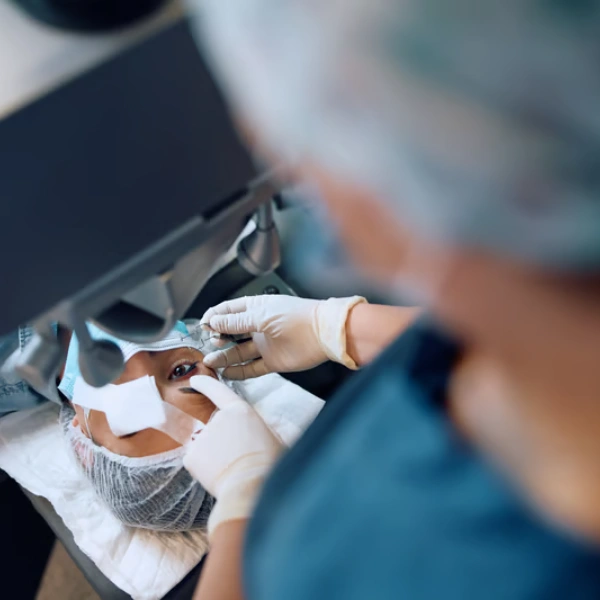
Donor Tissue and Surgical Safety
Cornea transplant surgery relies on properly screened donor corneal tissue, and patients often have questions about this part of the process before agreeing to surgery.
Donor tissue is sourced through certified eye banks following strict screening protocols
Compatibility and tissue quality are confirmed before any cornea transplant eye procedure
Rejection risk is monitored closely through scheduled post-transplant visits
Understanding this process upfront helps patients feel confident about the safety standards behind cornea transplant surgery, not just the surgical technique itself.
Why AG Vision Is Trusted for Cornea Transplant Surgery
Every cornea transplant surgery at AG Vision is planned around the individual patient’s corneal imaging, not a standard template, and Dr. Arushi Garg discusses realistic outcomes honestly before any surgical date is fixed.
Experience across multiple cornea transplant techniques, not one fixed approach
Transparent, itemised cornea transplant cost discussion before surgery
Combined cornea transplant and cataract surgery planning when needed
Structured recovery support through every stage of healing
Among the best cornea transplant surgery in Noida options for complex corneal cases
Signs You May Need a Cornea Transplant Evaluation
Vision that hasn't improved despite glasses, contact lenses, or other treatment
Constant corneal clouding, scarring, or swelling
A previous corneal injury, infection, or failed earlier surgery
Advanced keratoconus, where the cornea's shape keeps changing
Before Cornea Transplant Surgery: What to Know
- Detailed corneal imaging and donor tissue matching were required
- Full review of previous eye treatments and overall eye health
- Clear explanation of cornea transplant cost and the surgical plan
Cornea Transplant Surgery Recovery
Cornea transplant surgery recovery is gradual, often unfolding over several months as the new corneal tissue settles and vision stabilises. Prescribed medication, protective eyewear, and scheduled follow-up visits are central to protecting the result.
Most patients see steady visual improvement over this period, though the full benefit of cornea transplant surgery often takes time to reach its final, stable outcome.
FAQ's
Common Questions From Patients
How successful is cornea transplant surgery?
Cornea transplant surgery has high success rates, especially when the underlying corneal condition is identified and matched to the right transplant technique.
How long does cornea transplant surgery recovery take?
Cornea transplant surgery recovery typically spans several months, with vision improving gradually as the new tissue stabilises.
Can cornea transplant and cataract surgery be done together?
Yes — when both conditions are present, cornea transplant and cataract surgery can often be planned as a single combined procedure.
What does cornea transplant surgery cost depend on?
Cornea transplant cost depends on the transplant technique used, donor tissue requirements, and whether cataract surgery is combined with the procedure.
Is cornea transplant surgery painful?
Cornea transplant surgery is performed under anaesthesia, and most patients experience only mild discomfort during the recovery period rather than significant pain.
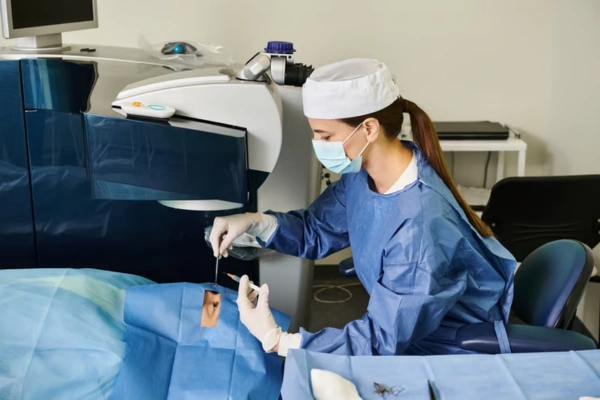
Take the Next Step Toward Clearer Vision
If scarring, thinning, or corneal disease has affected your vision, AG Vision can help determine whether cornea transplant surgery is the right path forward. A detailed evaluation with Dr. Arushi Garg is the best way to understand your options.
What Our Patients Share
PATIENT EXPERIENCES
Posted on GoogleTrustindex verifies that the original source of the review is Google. Very noicePosted on GoogleTrustindex verifies that the original source of the review is Google. Very good experience.Posted on GoogleTrustindex verifies that the original source of the review is Google. Wow very nicePosted on GoogleTrustindex verifies that the original source of the review is Google. Doctor nature is very good and have good experience. Treating patients so wellPosted on GoogleTrustindex verifies that the original source of the review is Google. Good experiencePosted on GoogleTrustindex verifies that the original source of the review is Google. Good and decent people and staff with carry reputation of SRS hospitalPosted on GoogleTrustindex verifies that the original source of the review is Google. The dr. Arushi best and very politePosted on GoogleTrustindex verifies that the original source of the review is Google. Honestly a great experience with doctor Arushi Garg, she thoroughly examined and listened to the medical history and suggested the treatment accordingly And assistants also really mannered and helpful. Thank you guys.Posted on GoogleTrustindex verifies that the original source of the review is Google. I'm very much satisfied with the doctor service & staff also.