Dr. Arushi Garg – Ophthalmologist & Eye Care Specialist

Keratoconus Surgery in Noida — Expert Specialist Care
AG Vision is led by an experienced keratoconus specialist in Noida, helping patients whose cornea has gradually thinned and changed shape, distorting vision in ways glasses alone can’t fully correct. If your vision keeps changing despite frequent prescription updates, a proper keratoconus eye check-up is the right next step.
As part of AG Vision’s broader cornea care, including cornea transplant surgery for advanced cases, Dr. Arushi Garg’s 15+ years of experience and 32,000+ eyes saved include long-term management of keratoconus from its earliest, most treatable stage.
Many patients are first told their eyes simply need a stronger prescription, only to discover during a detailed keratoconus eye check-up that the cornea’s underlying shape is the real issue, not the lens power itself.
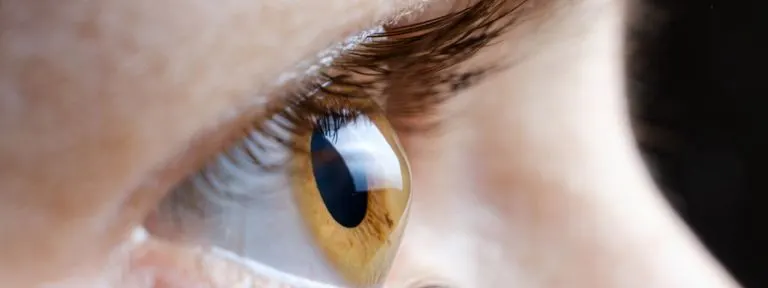
How Keratoconus Affects Vision Over Time
Keratoconus develops when the cornea, normally dome-shaped, gradually thins and bulges into a cone-like shape. This irregular curve distorts how light enters the eye, and vision changes can progress for years if left unmonitored.
- Frequent glasses or contact lens prescription changes
- Blurred or distorted vision that contact lenses correct better than glasses
- Increased sensitivity to light and difficulty with night vision
These keratoconus signs are often dismissed as simply needing a stronger prescription, which is exactly why a dedicated keratoconus eye check-up matters at the first hint of irregular change.
Keratoconus Treatment Approach
Matching Treatment to How Far Keratoconus Has Progressed
Keratoconus treatment depends entirely on the disease stage at diagnosis. Early-stage cases are managed very differently from advanced keratoconus, where the cornea’s shape has already become significantly irregular.
The doctor explains the full range of keratoconus treatment options, when keratoconus surgery becomes necessary, and what to expect at each stage, so patients understand exactly why a particular path is recommended for their eyes.
Services
- Keratoconus Evaluation & Corneal Mapping
- Keratoconus Treatment (Non-Surgical)
- Keratoconus Surgery
- Cornea Transplant Surgery (Advanced Cases)
- Long-Term Keratoconus Monitoring
Keratoconus Treatment Options by Stage
From Early Monitoring to Surgical Correction
Keratoconus rarely needs the same treatment twice, since progression speed and severity vary widely between patients.
- Specialised contact lenses for early to moderate keratoconus
- Corneal cross-linking to slow or halt progression in active cases
- Keratoconus surgery or cornea transplant surgery for advanced, severely distorted corneas
A best keratoconus specialist evaluation identifies exactly where on this spectrum your eyes currently sit, rather than assuming surgery is the only option.

Why AG Vision Is Trusted for Keratoconus Care
Because keratoconus can move from manageable to advanced over several years, AG Vision is built to follow patients through that entire journey, from the first keratoconus eye check-up to surgery if it’s ever needed, without passing patients between unfamiliar providers.
Recognised as the best keratoconus specialist in Noida
Detailed corneal mapping to track progression accurately over time
Experience across both non-surgical keratoconus treatment in Noida and keratoconus surgery in Noida
Coordinated care with cornea transplant surgery when advanced cases require it
Clear, honest explanation of keratoconus signs and what they mean
Keratoconus Signs That Need Attention
Vision that keeps changing despite frequent prescription updates
Distorted or ghosted images, especially around lights at night
Eye rubbing habits, since this can accelerate keratoconus progression
A family history of keratoconus or related corneal conditions
Recognising these keratoconus signs early gives far more treatment options than waiting until vision has already distorted significantly.
Why Eye Rubbing Deserves Special Attention
Chronic eye rubbing is one of the most overlooked factors in keratoconus progression, and addressing it is often part of the treatment plan itself.
Persistent rubbing can mechanically weaken an already thinning cornea
Allergy-related itching is a common, treatable cause behind habitual rubbing
Reducing rubbing alongside other treatments can help slow further progression
Identifying and managing this habit early is a simple step that complements both non-surgical keratoconus treatment and, when needed, keratoconus surgery.
Before Your Keratoconus Evaluation: What to Know
- Detailed corneal mapping and thickness measurement
- Review of how quickly your prescription has been changing
- Clear explanation of suitable keratoconus treatment based on findings
Managing Keratoconus Long-Term
Keratoconus treatment isn’t a single appointment, since the cornea’s shape needs to be monitored over time, even after initial treatment. Regular corneal mapping helps confirm whether the condition has stabilised or whether the plan needs to be adjusted.
With timely keratoconus treatment in Noida, most patients maintain functional, stable vision for years, with keratoconus surgery reserved for cases that genuinely progress beyond non-surgical management.
FAQ's
Common Questions From Patients
What are the earliest keratoconus signs?
Frequent prescription changes, mild blurring, and increased light sensitivity are often the earliest keratoconus signs patients notice.
Can keratoconus be treated without surgery?
Yes — early to moderate keratoconus is often managed with specialised contact lenses or corneal cross-linking, without needing keratoconus surgery.
When is keratoconus surgery necessary?
Keratoconus surgery becomes necessary when non-surgical options no longer stabilise vision or when the cornea has thinned significantly.
Is keratoconus the same as needing a cornea transplant?
No — most keratoconus cases are managed without a transplant; cornea transplant surgery is reserved for advanced, severely progressed cases.
How often should keratoconus be checked?
Active keratoconus is typically monitored every six months, while stable cases may be reviewed annually.

Protect Your Vision With Early Keratoconus Care
If your vision keeps shifting despite updated glasses, AG Vision can help confirm whether keratoconus is the cause and the right treatment stage for your eyes. A detailed keratoconus Surgery in Noida with Dr. Arushi Garg is the best place to start.
What Patients Commonly Experience
PATIENT FEEDBACK
Posted on GoogleTrustindex verifies that the original source of the review is Google. Very noicePosted on GoogleTrustindex verifies that the original source of the review is Google. Very good experience.Posted on GoogleTrustindex verifies that the original source of the review is Google. Wow very nicePosted on GoogleTrustindex verifies that the original source of the review is Google. Doctor nature is very good and have good experience. Treating patients so wellPosted on GoogleTrustindex verifies that the original source of the review is Google. Good experiencePosted on GoogleTrustindex verifies that the original source of the review is Google. Good and decent people and staff with carry reputation of SRS hospitalPosted on GoogleTrustindex verifies that the original source of the review is Google. The dr. Arushi best and very politePosted on GoogleTrustindex verifies that the original source of the review is Google. Honestly a great experience with doctor Arushi Garg, she thoroughly examined and listened to the medical history and suggested the treatment accordingly And assistants also really mannered and helpful. Thank you guys.Posted on GoogleTrustindex verifies that the original source of the review is Google. I'm very much satisfied with the doctor service & staff also.