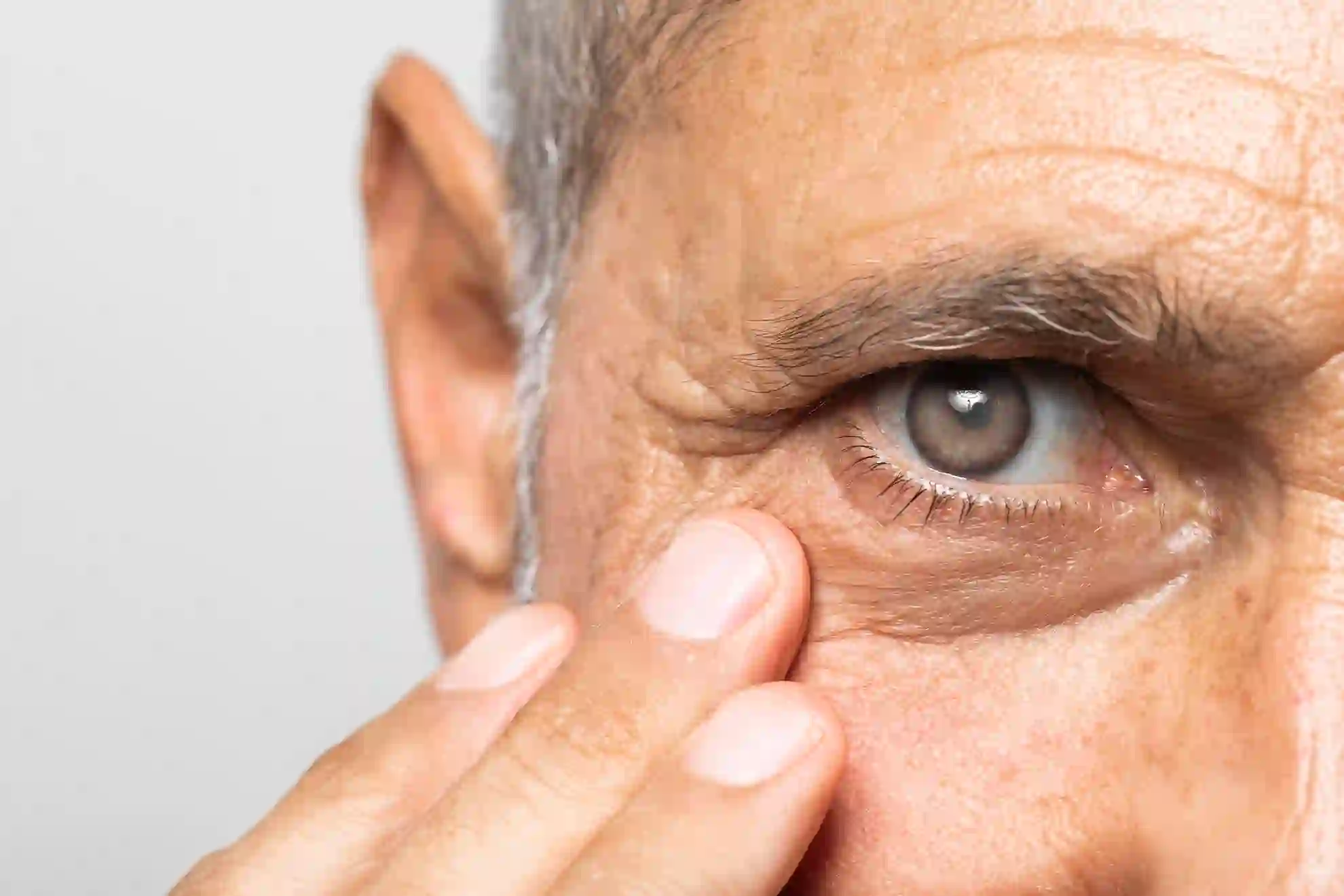
Do you find yourself squinting at street signs, struggling with glare from headlights, or noticing that colours look a little duller than before? These could be early cataract signs and symptoms—and you’re not alone. Cataracts are one of the most common causes of vision loss worldwide, especially as we age.
The good news? Cataracts develop slowly, which means there’s usually time to catch them early. In this complete guide, we’ll walk you through the 10 most common warning signs, what causes cataracts, who’s at risk, and how doctors diagnose them — so you know exactly when it’s time to book an eye check-up.
What Is a Cataract? A Quick Overview
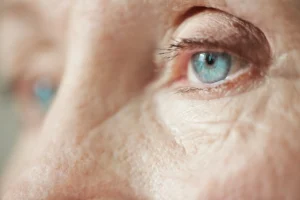
A cataract forms when the natural lens of your eye — normally clear — becomes cloudy. This clouding prevents light from reaching the retina properly, causing vision to become blurry, hazy, dim, or less vibrant over time. Cataracts usually develop slowly and can affect one or both eyes, though they don’t spread from one eye to the other.
10 Early Signs You Shouldn’t Ignore
Recognising the common symptoms of cataracts early can help you get treated before they affect daily life. Below is a closer look at each warning sign.
1. Blurry or Cloudy Vision
One of the earliest signs of cataract is vision that gradually becomes blurry, as if looking through a foggy or frosted window.
- Objects may seem slightly out of focus, even with your usual glasses
- Fine details — faces, street signs — become harder to make out
- Blurriness tends to build up gradually rather than appear suddenly
2. Difficulty Seeing at Night
Night vision is often one of the first things affected, making evening activities like driving more challenging.
- Reduced contrast makes it hard to distinguish shapes in low light
- Oncoming headlights can feel unusually harsh or blinding
- Depth perception after dark starts to feel less reliable
3. Sensitivity to Light and Glare
Bright light that never used to bother you may suddenly feel overwhelming.
- Sunlight can feel unusually harsh, even on mild days
- Indoor lamps or overhead lights may seem too bright
- Glare from reflective surfaces like water or screens becomes bothersome
4. Seeing Halos Around Lights
If you notice halos or ring-like glows around lights, it could be one of the early cataract signs and symptoms.
- Halos are most noticeable around streetlights and car headlights at night
- The rings often appear colored rather than plain white
- Reading in dim rooms can make the halo effect more noticeable
5. Fading or Yellowing of Colours
Cataracts can subtly change how vibrant the world looks.
- Colours that once looked bright may now appear muted or dull
- Whites can take on a faint yellow or brownish tint
- Telling similar shades apart (like navy vs. black) becomes trickier
6. Frequent Changes in Eyeglass Prescription
If your glasses stop working as well as they used to, a cataract could be why.
- A prescription that worked fine may lose effectiveness within months
- New glasses may only offer short-term improvement
- Repeated prescription changes can signal an underlying lens change
7. Double Vision in One Eye
Unlike typical double vision, this type usually shows up in just one eye.
- A single object, like a lamp or a word, may appear duplicated
- The overlap often persists even when the unaffected eye is closed
- It’s usually limited to one eye rather than both at once
8. Struggles with Reading or Writing
Close-up tasks tend to become noticeably harder as cataracts progress.
- Fine print — newspapers, labels, menus — becomes difficult to read
- Extra lighting or magnification is often needed for close work
- Words can blur together, causing eye strain while reading or writing
9. Reduced Night-Time Contrast
Distinguishing shapes and edges in low light becomes more difficult.
- Objects and people are harder to make out in shadows or dim settings
- Walking through low-light areas, like a parking lot at night, feels less safe
- Edges and outlines lose their sharpness after dark
10. Needing Brighter Light for Close Tasks
Everyday activities start demanding more light than before.
- Cooking, sewing, or reading require noticeably more illumination
- Rooms that once felt well-lit now seem dim
- Task lamps or brighter bulbs become a necessity, not a preference
If two or more of these sound familiar, it’s worth scheduling a comprehensive eye exam.
Symptoms and Causes of Cataracts
Cataracts Causes You Should Know
Understanding cataracts causes can help you identify your risk factors and take preventive steps to protect your vision early. The most common causes include:
- Natural ageing – The leading cause; proteins in the lens break down over time.
- Prolonged UV exposure – Years of sun exposure without protective eyewear.
- Diabetes – High blood sugar accelerates lens clouding.
- Eye injury or trauma – Past injuries can trigger cataract formation later.
- Long-term steroid use – Certain medications increase risk.
- Smoking and alcohol use – Linked to faster lens deterioration.
Risk Factors That Increase Your Chances
Certain risk factors make cataracts more likely to develop earlier or faster:
- Age above 60
- Family history of cataracts
- Diabetes or high blood pressure
- Previous eye surgery
- Excessive, unprotected sun exposure
- Obesity
How Doctors Diagnose Cataracts
Diagnosis and Tests for Cataracts
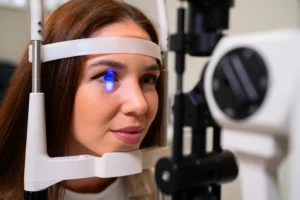
If you notice any of the symptoms above, an eye specialist will typically use a few simple, painless tests as part of the diagnosis and tests:
- Visual acuity test – Checks how clearly you see at various distances.
- Slit-lamp examination – Allows the doctor to view the lens and cornea in detail.
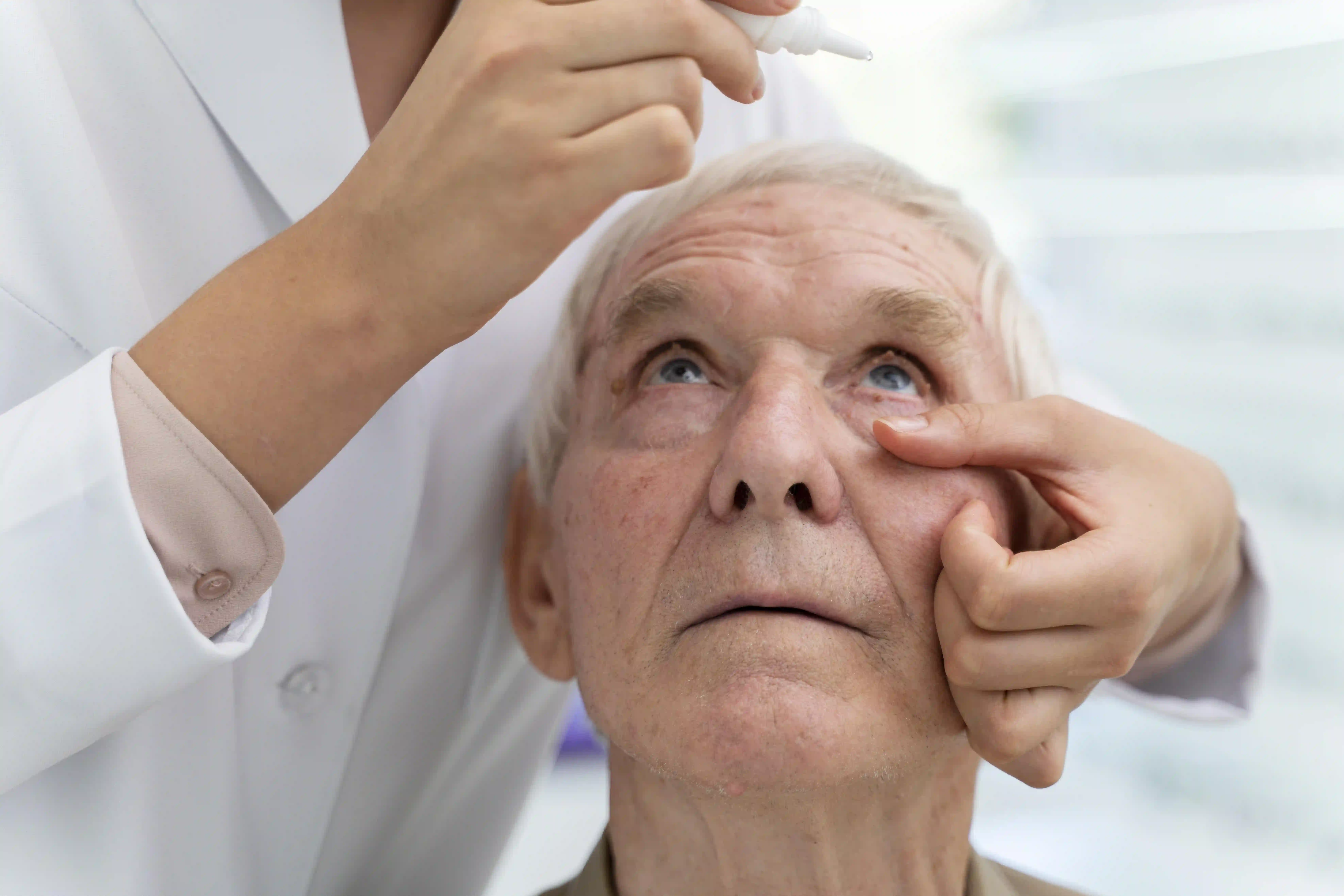
- Retinal exam – Dilated eye drops let the doctor examine the retina and lens closely.
- Tonometry – Measures eye pressure to rule out other conditions like glaucoma.
These tests usually take under 30 minutes and give a clear picture of how advanced the cataract is.
When Should You See an Eye Doctor?
Don’t wait until your vision seriously affects everyday activities. See a doctor if you notice these cataract signs:
- Sudden or rapid blurring of vision
- Increasing difficulty seeing at night, especially while driving
- Glasses no longer improving your vision
- Everyday tasks like reading, cooking, or working on a screen becoming harder
Early diagnosis means more treatment options and a smoother recovery if surgery is eventually needed.
Can Cataracts Be Prevented or Slowed Down?
While cataracts related to ageing can’t always be avoided, you can slow their progression by:
- Wearing UV-protective sunglasses outdoors
- Managing diabetes and blood pressure
- Eating a diet rich in antioxidants (leafy greens, citrus fruits)
- Avoiding smoking and excessive alcohol
- Getting regular eye exams after age 40
Frequently Asked Questions
1. What are the first signs of having cataracts?
The earliest signs are usually slightly blurry vision, increased sensitivity to light, and difficulty seeing clearly at night.
2. How can I prevent cataracts?
You can lower your risk by wearing sunglasses with UV protection, managing conditions like diabetes, eating an antioxidant-rich diet, and avoiding smoking.
3. How long do cataracts take to develop?
Most age-related cataracts develop gradually over several years, though some — such as those caused by injury or diabetes — can progress faster.
4. What is the biggest cause of cataracts?
Natural ageing is the most common cause, as proteins in the eye’s lens break down and clump together over time.
5. Can too much screen time cause cataracts?
Screen time itself doesn’t directly cause cataracts, but it can contribute to eye strain and fatigue, which is often mistaken for early cataract symptoms.
6. How many hours is a cataract operation?
A standard cataract surgery is a quick outpatient procedure, usually completed within 15 to 30 minutes per eye.
7. What is the first symptom of cataracts?
For most people, the first noticeable symptom is mild blurring or clouding of vision, especially in bright light.
8. Will my eyesight improve if I stop using my phone?
Reducing screen time may ease eye strain and dryness, but it won’t reverse a cataract, since cataracts are a structural change in the eye’s lens, not caused by device use.
9. What is the best treatment for cataracts?
Cataract surgery, where the cloudy lens is replaced with a clear artificial lens, remains the most effective and widely recommended treatment.
Conclusion
Cataracts are a common part of ageing, but recognising the early signs — from blurry vision to trouble seeing at night — can help you seek timely care and protect your quality of life. If you’re experiencing any of these symptoms, don’t wait for them to worsen.
For expert diagnosis and personalised care, Dr. Arushi Garg, one of the Best Eye Doctors in Noida, can help you understand your symptoms and guide you toward the right treatment plan for clear, healthy vision.